
Welcome to the Trauma Recovery Institute Resource Center
Whether you're trying to understand how trauma affects the brain, exploring EMDR Therapy, or deciding whether EMDR Intensive Therapy may be right for you, these evidence-informed trauma recovery articles are designed to help you make informed decisions about healing from trauma, anxiety, insomnia, and depression.

How to Calm Your Nervous System After Trauma
Many people believe trauma only affects someone immediately after a frightening or overwhelming experience.
Continue Learning

What Trauma Does to the Brain: How Trauma Changes the Nervous System
Many people believe trauma only affects someone immediately after a frightening or overwhelming experience. If symptoms do not appear right away, they assume the event must not have affected them deeply. But trauma does not always follow a predictable timeline. In many cases, the brain initially prioritizes survival and day-to-day functioning. Months or even years later, unresolved memories may begin activating the brain’s threat-detection systems. When this happens, people may start experiencing symptoms such as: anxiety or panic, sleep disruption, intrusive memories, emotional numbness, avoidance, difficulty concentrating, problems functioning at work or in relationships. These experiences can feel…
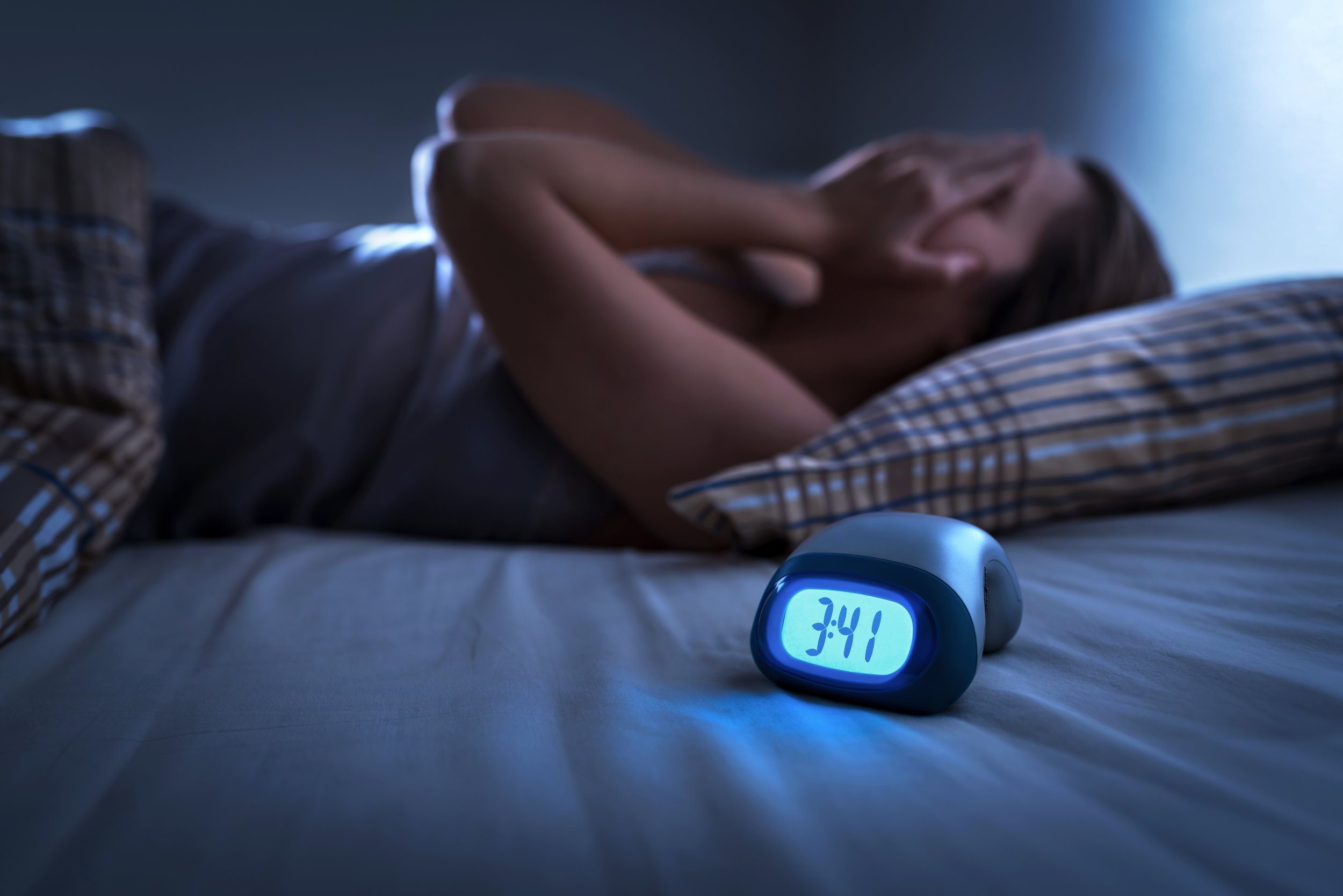
Why You Can’t Sleep After Trauma (And How to Calm Your Nervous System)
You have probably heard that better sleep habits will fix this. Consistent bedtime. No caffeine after noon. Screens off an hour before bed. That advice is not wrong for people whose sleep problems are primarily behavioral or environmental. But if your sleep disruption is rooted in trauma-related hyperarousal or unprocessed threat responses, sleep hygiene alone is often not enough. Reviews of PTSD and sleep show that trauma-related sleep problems are maintained by deeper neurobiological and psychological processes than habits alone can address (Lancel et al., 2021). If the problem lives in the nervous system, better habits may improve the environment without resolving what is driving…

Your Mind Is Your Weakest Weapon Until You Train It: Mental Toughness Training for High-Stress Professions
If you work in a high-stress profession, you may notice something strange. Your body reacts to danger long after the moment has passed. If you work in a high-stress environment, whether you're a soldier, firefighter, nurse, law enforcement officer, or corporate executive, you've probably noticed something: Physical training gets all the attention. We train our bodies relentlessly. We build strength, endurance, cardiovascular fitness. We practice skills until they're automatic. But psychological training? Mental resilience? Emotional regulation under pressure? That's often left to chance. And when the stress hits…

What is EMDR Therapy? A Guide to Eye Movement Desensitization and Reprocessing
If you've heard about EMDR therapy but aren't quite sure what it is or how it works, you're not alone. EMDR has gained attention as a powerful treatment for trauma, but what actually happens in an EMDR session? Let's break it down. What does EMDR stand for? EMDR stands for Eye Movement Desensitization and Reprocessing. It's a structured therapy approach that helps your brain process traumatic memories so they no longer cause distress. Unlike traditional talk therapy, EMDR doesn't require you to talk in detail about your trauma, instead…