
Welcome to the Trauma Recovery Institute Resource Center
Whether you're trying to understand how trauma affects the brain, exploring EMDR Therapy, or deciding whether EMDR Intensive Therapy may be right for you, these evidence-informed trauma recovery articles are designed to help you make informed decisions about healing from trauma, anxiety, insomnia, and depression.

How to Calm Your Nervous System After Trauma
Many people believe trauma only affects someone immediately after a frightening or overwhelming experience.
Continue Learning

Why Do I Keep Feeling Anxious and Overwhelmed After Trauma?
Why do I keep feeling anxious and overwhelmed after trauma? If you've been asking yourself this question, you're not alone. Many people living with the effects of trauma wonder why they continue to feel anxious and overwhelmed, even when they know they are safe. Learn why your brain and nervous system may still respond as though danger is present, what keeps these symptoms going. Learn why these feelings can continue long after the traumatic experience is over, and how healing is possible.
Why Longer Trauma Sessions Can Work Differently Than Weekly Therapy
Longer trauma therapy sessions do not work differently simply because they are longer.
They can create opportunities for deeper nervous system engagement, sustained trauma processing, and adaptive information integration that may be difficult to achieve within shorter, weekly interrupted sessions.
For some people, the issue is not a lack of motivation, insight, or effort. The issue may be whether there is enough uninterrupted time for the brain and nervous system to…
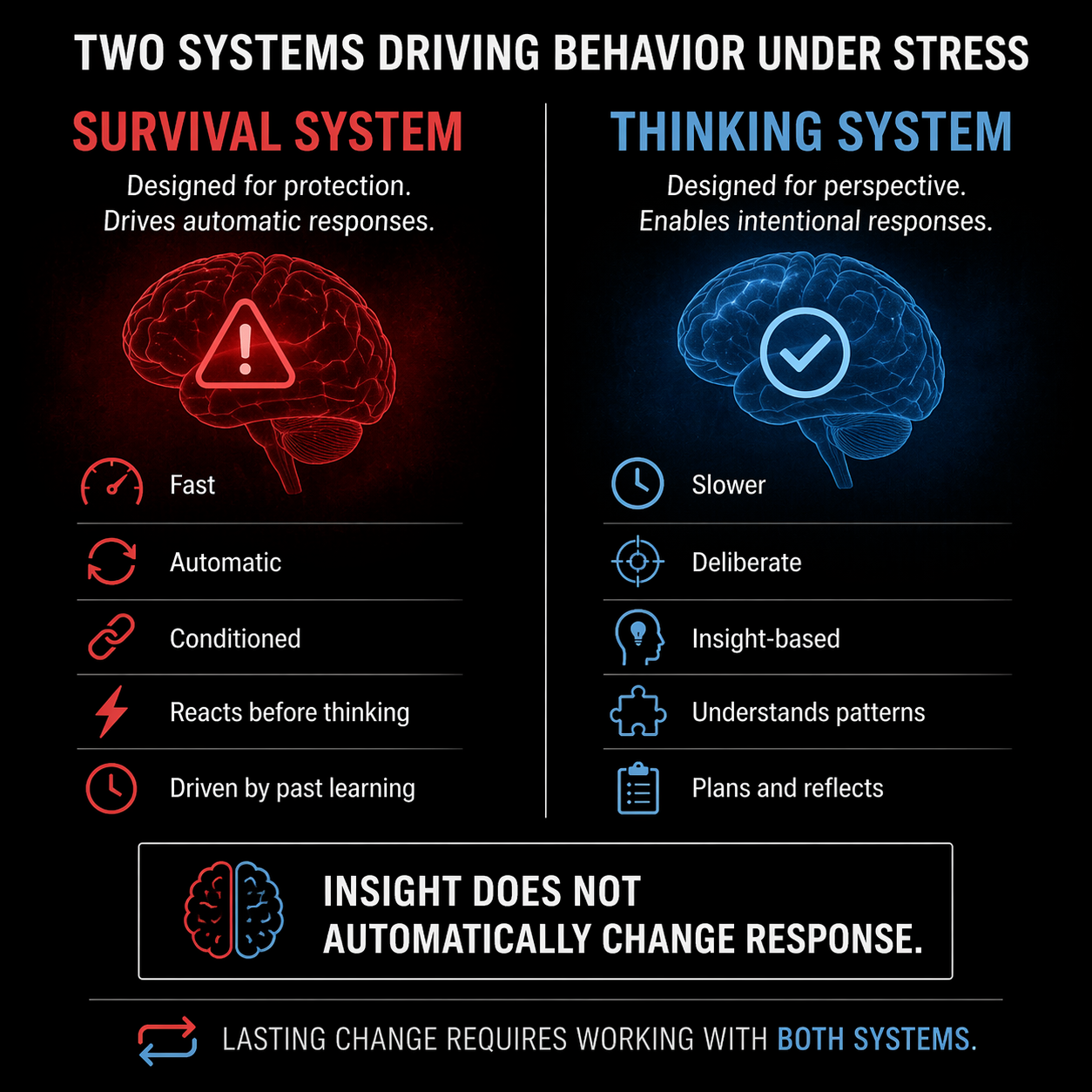
Why Therapy Hasn’t Worked for You (Even If You’ve Done Everything Right)
If you’ve done therapy and still feel stuck, you’re not alone. This article explains why insight alone may not lead to change when trauma affects the nervous system.

Complex Trauma vs Depression: Why You May Still Feel Stuck After Therapy
You can understand your patterns and still feel stuck. This article explains the difference between complex trauma and depression, and why treatment may not be working.
Estimates from the literature indicate approximately 30%–50% of individuals with PTSD have depression. A 2022 study of adults presenting with clinically significant depressive symptoms found that 62.68% actually met criteria for PTSD or Complex PTSD; and of those, 57.1% had Complex PTSD specifically. Yet even among those who met full CPTSD criteria, fewer than half had ever received that diagnosis.
That means the majority of people walking into a provider's office with depression symptoms may actually be carrying unresolved trauma, and receiving treatment that doesn't reach the root of what's...

Why Trauma Keeps Coming Back: Why You Still Feel Stuck After Therapy
Many people arrive at trauma therapy already highly self-aware. They know they overreact in certain situations. They know why they avoid certain conversations. They know their nervous system changes around conflict, closeness, criticism, or uncertainty. They may even know exactly which experiences shaped those responses. And yet, despite all of that understanding, the same patterns keep happening. You may notice that you: become anxious even when you logically know you are safe; shut down emotionally when something feels overwhelming; stay hypervigilant even during calm periods; struggle with sleep, especially after stressful interactions; feel stuck in the same relational or nervous system cycles; understand your trauma intellectually but still feel…
Why You Can’t Sleep After Trauma (And How to Calm Your Nervous System)
You have probably heard that better sleep habits will fix this. Consistent bedtime. No caffeine after noon. Screens off an hour before bed. That advice is not wrong for people whose sleep problems are primarily behavioral or environmental. But if your sleep disruption is rooted in trauma-related hyperarousal or unprocessed threat responses, sleep hygiene alone is often not enough. Reviews of PTSD and sleep show that trauma-related sleep problems are maintained by deeper neurobiological and psychological processes than habits alone can address (Lancel et al., 2021). If the problem lives in the nervous system, better habits may improve the environment without resolving what is driving…