
Welcome to the Trauma Recovery Institute Resource Center
Whether you're trying to understand how trauma affects the brain, exploring EMDR Therapy, or deciding whether EMDR Intensive Therapy may be right for you, these evidence-informed trauma recovery articles are designed to help you make informed decisions about healing from trauma, anxiety, insomnia, and depression.

How to Calm Your Nervous System After Trauma
Many people believe trauma only affects someone immediately after a frightening or overwhelming experience.
Continue Learning

When Trauma Goes to Work: How PTSD Can Affect Your Ability to Function
Does trauma affect my ability to work? Trauma and PTSD can affect more than how you feel. They can interfere with concentration, memory, sleep, energy, decision-making, and your ability to function at work and in everyday life. Learn what the research shows about PTSD and work functioning, why tasks that once felt manageable may become more difficult, and how trauma treatment can support recovery.

Why Some People Travel for EMDR Intensive Therapy
Many people travel for specialized medical care. Some also travel for EMDR intensive therapy. Learn why privacy, focused treatment, dedicated time, and nervous system regulation can help create the conditions that support trauma recovery.
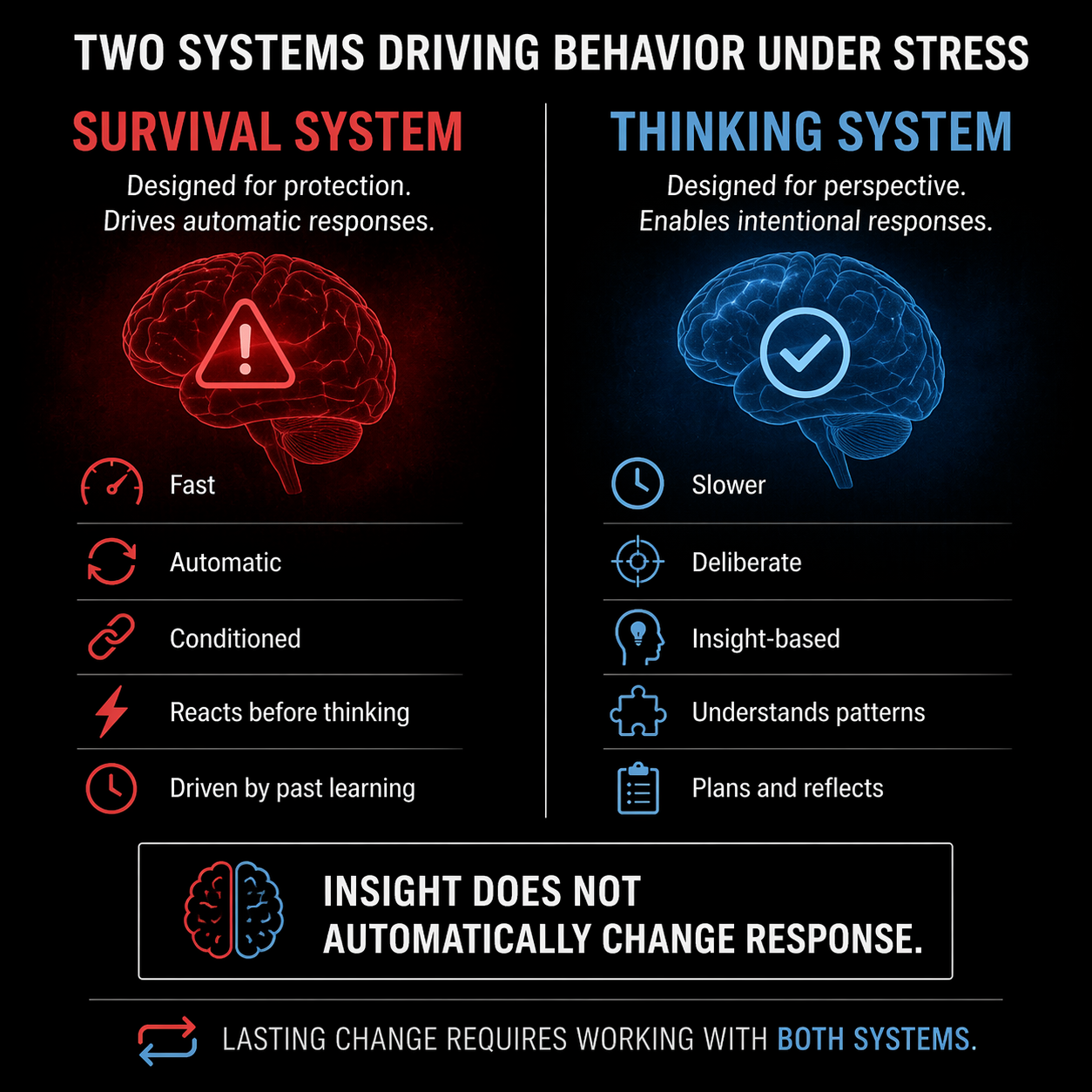
Why Therapy Hasn’t Worked for You (Even If You’ve Done Everything Right)
If you’ve done therapy and still feel stuck, you’re not alone. This article explains why insight alone may not lead to change when trauma affects the nervous system.

What Trauma Does to the Brain: How Trauma Changes the Nervous System
Many people believe trauma only affects someone immediately after a frightening or overwhelming experience. If symptoms do not appear right away, they assume the event must not have affected them deeply. But trauma does not always follow a predictable timeline. In many cases, the brain initially prioritizes survival and day-to-day functioning. Months or even years later, unresolved memories may begin activating the brain’s threat-detection systems. When this happens, people may start experiencing symptoms such as: anxiety or panic, sleep disruption, intrusive memories, emotional numbness, avoidance, difficulty concentrating, problems functioning at work or in relationships. These experiences can feel…

When Avoidance Becomes the Problem: Understanding Trauma, Isolation, and Mental Health
Research shows that nearly 44% of Fairbanks residents experience subsyndromal Seasonal Affective Disorder (the "winter blues"), and 18.68% meet full diagnostic criteria for winter-pattern SAD; some of the highest rates in the nation. This isn't just feeling "a little down." Winter depression shows up as low motivation, isolation, disrupted routines, emotional numbness, and critically for people already avoiding trauma; intensified urges to numb with substances. When the world goes dim, avoidance intensifies. You stop reaching out. You cancel plans. You tell yourself you'll "deal with it" when spring comes. But spring doesn't fix unprocessed trauma, it just makes it easier to keep avoiding for another year. And in Alaska's rural areas and isolated homes, it's easy to disappear entirely. Friends stop checking in. Family assumes it's just the season. The isolation compounds. The walls close in…

Your Mind Is Your Weakest Weapon Until You Train It: Mental Toughness Training for High-Stress Professions
If you work in a high-stress profession, you may notice something strange. Your body reacts to danger long after the moment has passed. If you work in a high-stress environment, whether you're a soldier, firefighter, nurse, law enforcement officer, or corporate executive, you've probably noticed something: Physical training gets all the attention. We train our bodies relentlessly. We build strength, endurance, cardiovascular fitness. We practice skills until they're automatic. But psychological training? Mental resilience? Emotional regulation under pressure? That's often left to chance. And when the stress hits…

What is EMDR Therapy? A Guide to Eye Movement Desensitization and Reprocessing
If you've heard about EMDR therapy but aren't quite sure what it is or how it works, you're not alone. EMDR has gained attention as a powerful treatment for trauma, but what actually happens in an EMDR session? Let's break it down. What does EMDR stand for? EMDR stands for Eye Movement Desensitization and Reprocessing. It's a structured therapy approach that helps your brain process traumatic memories so they no longer cause distress. Unlike traditional talk therapy, EMDR doesn't require you to talk in detail about your trauma, instead…