
Welcome to the Trauma Recovery Institute Resource Center
Whether you're trying to understand how trauma affects the brain, exploring EMDR Therapy, or deciding whether EMDR Intensive Therapy may be right for you, these evidence-informed trauma recovery articles are designed to help you make informed decisions about healing from trauma, anxiety, insomnia, and depression.

How to Calm Your Nervous System After Trauma
Many people believe trauma only affects someone immediately after a frightening or overwhelming experience.
Continue Learning

Why Do I Keep Feeling Anxious and Overwhelmed After Trauma?
Why do I keep feeling anxious and overwhelmed after trauma? If you've been asking yourself this question, you're not alone. Many people living with the effects of trauma wonder why they continue to feel anxious and overwhelmed, even when they know they are safe. Learn why your brain and nervous system may still respond as though danger is present, what keeps these symptoms going. Learn why these feelings can continue long after the traumatic experience is over, and how healing is possible.
Why Longer Trauma Sessions Can Work Differently Than Weekly Therapy
Longer trauma therapy sessions do not work differently simply because they are longer.
They can create opportunities for deeper nervous system engagement, sustained trauma processing, and adaptive information integration that may be difficult to achieve within shorter, weekly interrupted sessions.
For some people, the issue is not a lack of motivation, insight, or effort. The issue may be whether there is enough uninterrupted time for the brain and nervous system to…
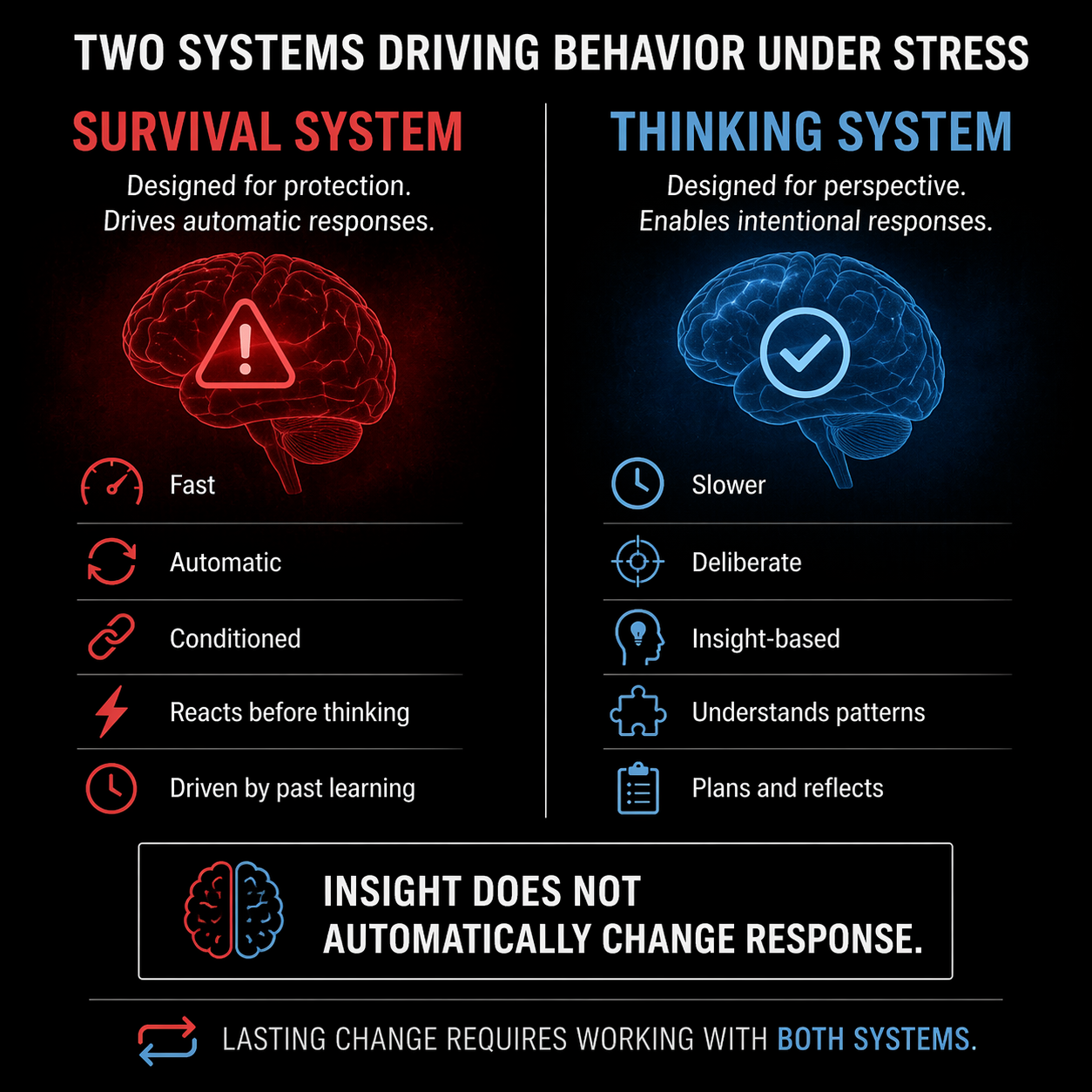
Why Therapy Hasn’t Worked for You (Even If You’ve Done Everything Right)
If you’ve done therapy and still feel stuck, you’re not alone. This article explains why insight alone may not lead to change when trauma affects the nervous system.

Complex Trauma vs Depression: Why You May Still Feel Stuck After Therapy
You can understand your patterns and still feel stuck. This article explains the difference between complex trauma and depression, and why treatment may not be working.
Estimates from the literature indicate approximately 30%–50% of individuals with PTSD have depression. A 2022 study of adults presenting with clinically significant depressive symptoms found that 62.68% actually met criteria for PTSD or Complex PTSD; and of those, 57.1% had Complex PTSD specifically. Yet even among those who met full CPTSD criteria, fewer than half had ever received that diagnosis.
That means the majority of people walking into a provider's office with depression symptoms may actually be carrying unresolved trauma, and receiving treatment that doesn't reach the root of what's...

Why Trauma Keeps Coming Back: Why You Still Feel Stuck After Therapy
Many people arrive at trauma therapy already highly self-aware. They know they overreact in certain situations. They know why they avoid certain conversations. They know their nervous system changes around conflict, closeness, criticism, or uncertainty. They may even know exactly which experiences shaped those responses. And yet, despite all of that understanding, the same patterns keep happening. You may notice that you: become anxious even when you logically know you are safe; shut down emotionally when something feels overwhelming; stay hypervigilant even during calm periods; struggle with sleep, especially after stressful interactions; feel stuck in the same relational or nervous system cycles; understand your trauma intellectually but still feel…

What Trauma Does to the Brain: How Trauma Changes the Nervous System
Many people believe trauma only affects someone immediately after a frightening or overwhelming experience. If symptoms do not appear right away, they assume the event must not have affected them deeply. But trauma does not always follow a predictable timeline. In many cases, the brain initially prioritizes survival and day-to-day functioning. Months or even years later, unresolved memories may begin activating the brain’s threat-detection systems. When this happens, people may start experiencing symptoms such as: anxiety or panic, sleep disruption, intrusive memories, emotional numbness, avoidance, difficulty concentrating, problems functioning at work or in relationships. These experiences can feel…

When Avoidance Becomes the Problem: Understanding Trauma, Isolation, and Mental Health
Research shows that nearly 44% of Fairbanks residents experience subsyndromal Seasonal Affective Disorder (the "winter blues"), and 18.68% meet full diagnostic criteria for winter-pattern SAD; some of the highest rates in the nation. This isn't just feeling "a little down." Winter depression shows up as low motivation, isolation, disrupted routines, emotional numbness, and critically for people already avoiding trauma; intensified urges to numb with substances. When the world goes dim, avoidance intensifies. You stop reaching out. You cancel plans. You tell yourself you'll "deal with it" when spring comes. But spring doesn't fix unprocessed trauma, it just makes it easier to keep avoiding for another year. And in Alaska's rural areas and isolated homes, it's easy to disappear entirely. Friends stop checking in. Family assumes it's just the season. The isolation compounds. The walls close in…

Your Mind Is Your Weakest Weapon Until You Train It: Mental Toughness Training for High-Stress Professions
If you work in a high-stress profession, you may notice something strange. Your body reacts to danger long after the moment has passed. If you work in a high-stress environment, whether you're a soldier, firefighter, nurse, law enforcement officer, or corporate executive, you've probably noticed something: Physical training gets all the attention. We train our bodies relentlessly. We build strength, endurance, cardiovascular fitness. We practice skills until they're automatic. But psychological training? Mental resilience? Emotional regulation under pressure? That's often left to chance. And when the stress hits…
How to Calm Your Nervous System After Trauma: 7 Science-Backed Techniques
If you've been stuck in fight-or-flight, these research-backed tools can help you find calm again. How to calm your nervous system: 7 techniques trauma survivors can use right now. Why "Just Calm Down" Doesn't Work for Trauma Survivors. If you've ever been told to "just calm down" or "just relax" when you're overwhelmed by trauma symptoms, you know how frustrating and impossible that advice feels. It's not that you don't want to calm down. It's that your nervous system has been programmed through traumatic experiences to stay in a state of constant vigilance or heightened watchful guard. Your body isn't choosing to be anxious or hypervigilant; it’s doing what it was trained and wired to …

How EMDR Intensive Therapy Differs from Weekly Therapy
If you're considering EMDR therapy for trauma or PTSD, you might be wondering: Should I do weekly sessions or intensive therapy? While both approaches use the same evidence-based EMDR techniques, the format and results can be dramatically different. Here's what you need to know about how these two paths to healing compare. In traditional EMDR therapy, you meet with your therapist once a week for 50-60 minute sessions. A typical timeline looks like ...

What to Expect During EMDR Intensive Therapy: 3–6 Days of Focused Treatment
If you're considering EMDR intensives, you probably have questions. What actually happens during those long days? How is it different from weekly therapy? And how do you know which format is right for you? As an EMDRIA Approved Consultant who has facilitated EMDR therapy over the past 15 years, I'll walk you through exactly what to expect, and help you determine which intensive format fits your needs. Traditional EMDR therapy happens in 50-60 minute sessions, once per week. You might start processing one trauma memory per session, then wait a week before continuing. EMDR intensive therapy compresses that timeline…